Tailored by Hand

The Rise of Handmade Office Fashion

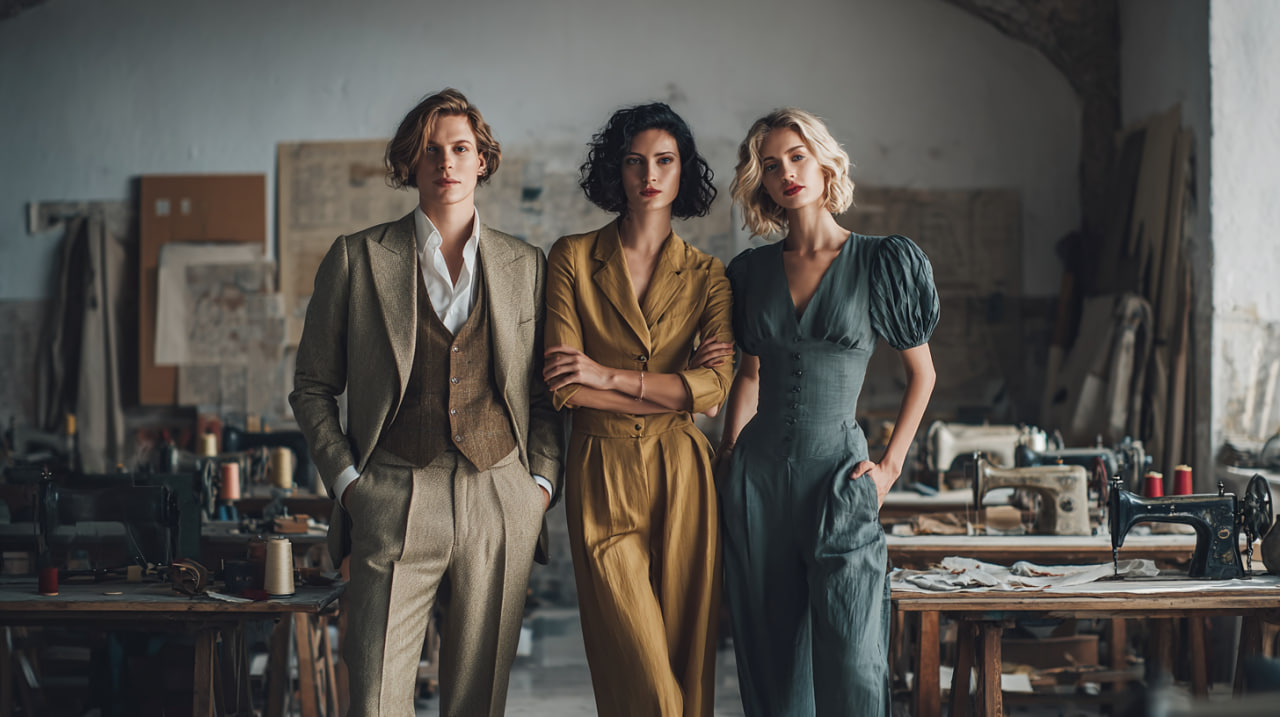
In a world where fashion often chases speed and mass appeal, a growing number of professionals are slowing things down—and picking up their needles. Hand-making clothing for the office is no longer a niche hobby or a vintage throwback. It’s becoming a powerful statement of individuality, sustainability, and craftsmanship. From bespoke blazers sewn in home studios to structured dresses crafted from natural fibers, handmade officewear is quietly reshaping work wardrobes across industries. For many, it’s not just about saving money or expressing creativity—it’s about reclaiming control over personal style and professional presence.

A Return to Intentional Dressing

“I used to spend hours shopping for office clothes that felt ‘almost right,’” says Melinda Jameson, a financial analyst in Chicago who now makes nearly all of her workwear. “Now, I spend that time making garments that fit me perfectly, reflect who I am, and hold up better over time.” Melinda’s story is part of a broader movement. Once relegated to weekend crafters and fashion students, home sewing has surged in popularity—fueled by online tutorials, digital patterns, and a renewed interest in slow fashion. And while loungewear and bohemian styles have long dominated the handmade clothing scene, a new wave of makers is tackling the structured, tailored world of office attire. Blazers, pencil skirts, button-down shirts, wide-leg trousers—garments once thought too complex for home sewing—are now the focus of independent pattern designers and sewing communities worldwide. With access to high-quality materials, precision tools, and advanced instruction, today’s sewists are producing garments that rival ready-to-wear brands in both polish and performance.

Function Meets Fashion

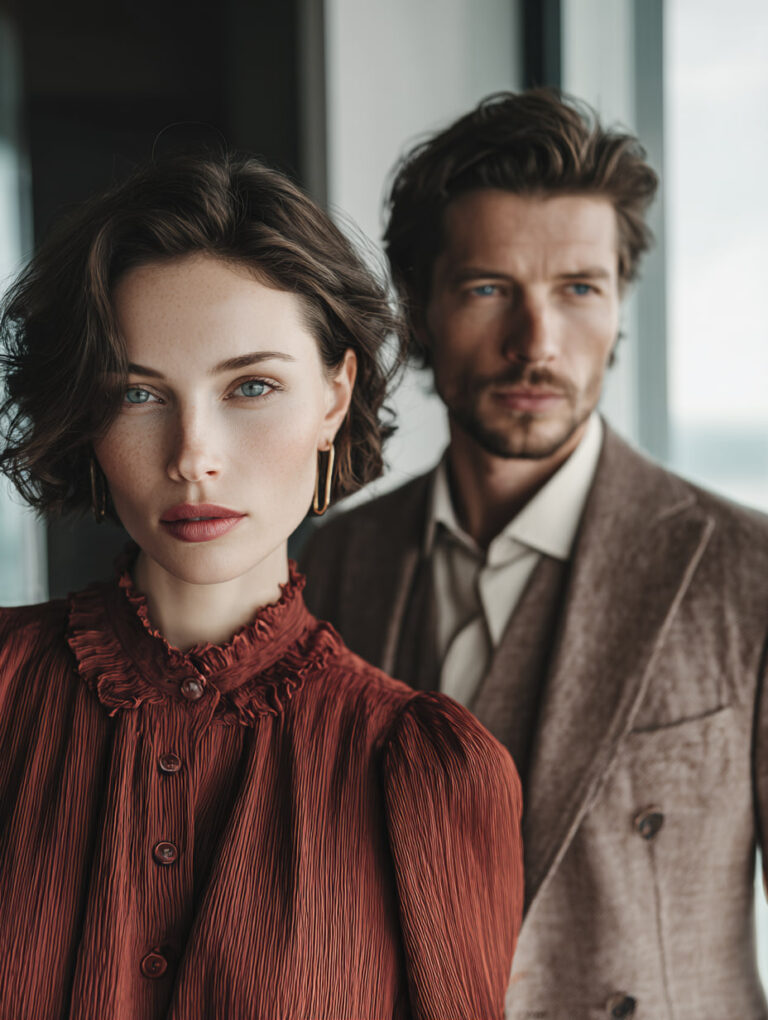
For office workers, the benefits are clear. Handmade clothing offers unparalleled fit—an essential element for comfort during long workdays and client meetings. Adjusting sleeve length, accommodating different body proportions, or choosing linings that breathe well in high-pressure environments all become possible when you control the process from start to finish. But it’s not just about fit—it’s about function. “I design each piece with my work life in mind,” says Rina Patel, an HR director in London. “I add hidden pockets for my ID badge, choose wrinkle-resistant wool blends, and tailor the silhouette to suit my commute on the Tube.” Customization extends beyond practicality. Color palettes, textures, and silhouettes can be chosen to reflect mood, season, or professional goals. For some, it’s about bold personal branding—a jewel-toned power dress with statement sleeves. For others, it’s subtle rebellion against fast fashion—a clean, timeless blouse made from organic cotton poplin.

Sustainable and Smart

Handmaking clothing is inherently more sustainable than mass-produced alternatives. Makers are more likely to purchase high-quality fabrics in small quantities, use efficient cutting layouts, and repurpose leftovers. In the context of officewear—where wardrobe turnover is often high due to trends, wear, or company culture—this approach offers an environmentally responsible alternative. Moreover, making your own clothing fosters mindfulness. Each piece takes time, thought, and effort, which often leads to deeper appreciation and less impulse buying. “I used to buy new office outfits every season,” admits marketing coordinator Joel Ramirez. “Now, I make two or three pieces a year and wear them with pride. It’s changed my relationship with clothing completely.”

Community and Confidence

The handmade officewear movement isn’t happening in isolation. Online communities on platforms like Instagram, Reddit, and sewing-specific forums offer support, inspiration, and expertise. Hashtags like #MeMadeWorkwear and #SewYourStyle highlight thousands of modern takes on the classic office wardrobe—proof that professionalism doesn’t have to be synonymous with off-the-rack. For many, the process is empowering. “Wearing something I’ve made gives me confidence in meetings,” says Melinda. “It’s not just clothing. It’s a reminder that I’m capable, creative, and resourceful.” And for small business owners, freelancers, or those navigating new careers, this kind of confidence can be transformational. Handmade clothing becomes more than a fashion choice—it’s a statement of self-worth and forward momentum.

What’s Next?

As hybrid work models evolve and office dress codes shift, hand-made clothing is well-positioned to thrive. It adapts to individual needs, reflects changing values, and bridges the gap between comfort and professionalism. In a world saturated with sameness, hand-making your own office attire isn’t just a trend—it’s a quiet revolution. One stitch at a time, professionals are taking back the narrative, dressing not just for the job they want, but for the life they’re building.

What’s Next?

As hybrid work models evolve and office dress codes shift, hand-made clothing is well-positioned to thrive. It adapts to individual needs, reflects changing values, and bridges the gap between comfort and professionalism. In a world saturated with sameness, hand-making your own office attire isn’t just a trend—it’s a quiet revolution. One stitch at a time, professionals are taking back the narrative, dressing not just for the job they want, but for the life they’re building.

Want some more? Here...

Press to Impress

The Ironing Trick That Instantly Upgrades Your Sewing
There’s a silent hero in every well-sewn garment, and it’s not the machine, the fabric, or even the hands that stitched it. It’s the iron. While it may seem mundane compared to the thrill of cutting fabric or the satisfaction of topstitching, pressing is one of the most powerful tools in your sewing arsenal. And yet,it’s often skipped or rushed, especially by beginners eager to see a project come together.

Read more

Pajamas as Outerwear

Pajamas as Outerwear: The Rise of Relaxed Luxury in Fashion

Pajamas have long been associated with comfort, relaxation, and bedtime rituals.

Read more